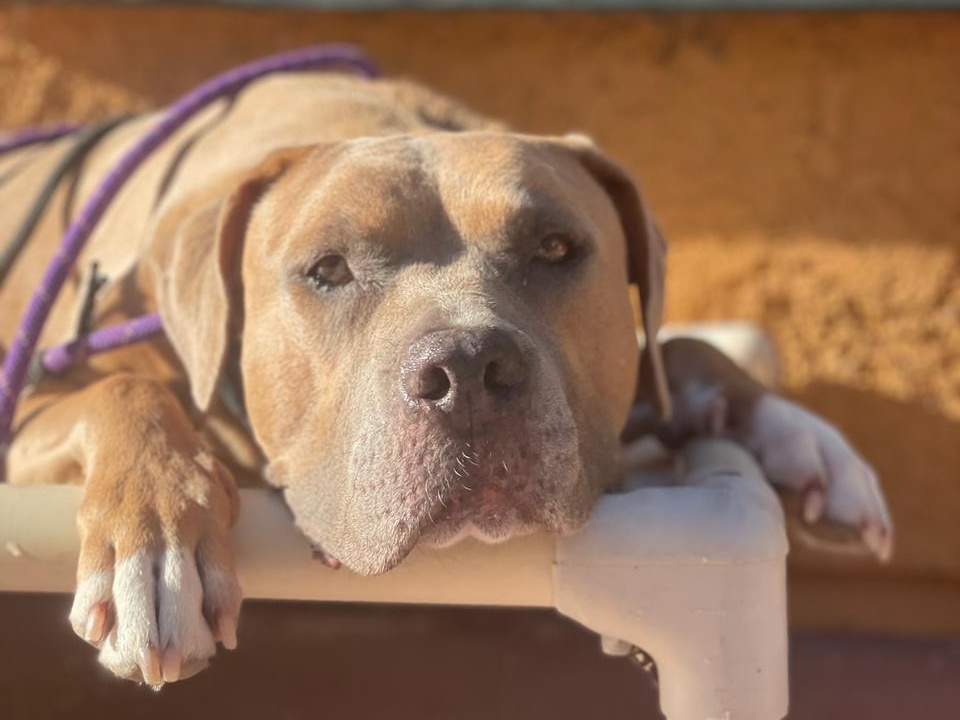

I’ve recently been asked a question about the difference between aggression and high prey drive. Many dog people hear the term prey drive and immediately think of their dogs chasing squirrels or being unable to contain themselves when they see anything fluffy running. When aggression is mentioned their thoughts usually go to dog fights or to images of dogs being attacked by another. Even though the distinction in terms of behavior is significant, I believe it is important to explain that usually the outcome is the same. While a dog that displays high prey drive is essentially a hunter; they will stock prey, chase it, with the ultimate goal being of hunting and eating. Aggression in dogs usually stems from fear, lack of socialization or protection of resources. Nevertheless, in both scenarios, the dog displaying either behavior is in a fight state regarding another animal. That is never good… yes, the other animal maybe able to run away and everyone gets a quick laugh about it. Or, in the worst case scenario, the other animal gets seriously or even mortally injured. For this alone I believe it important to talk about this “distinction without a difference” in how it relates to our dog’s state of mind. Whatever the terminology one wishes to use, a dog that is in a fight state of mind when it comes to another being is not a good thing. A high prey drive dog is not “safer” than an “aggressive” dog. An aggressive dog is not “harder to train” than a high prey drive dog. Both cases show a dog that relates other beings with being in a fight (or fearful) state.
Although there is a huge distinction in terms of behavior when talking about prey drive and aggression, in the human world the outcome is usually the same. Many owners believe their dogs are super reactive and therefore can’t be around other dogs.
Their dogs maybe displaying behaviors like dragging them on the leash when they see another dog. Or getting tense and extremely focused when they encounter another being on a walk. In both cases the dog (and usually the human) are not relaxed about the other. Be it the other being outside their relationship, be it in the relationship in itself. Essentially there is a lack of trust and/or respect regarding the other. Whatever name we wish to give, the dog in question is not calm around other beings. The beautiful thing about dogs (and humans), is that both can be taught to change behaviors. It is a hard process that requires work. Nevertheless, it can be done.

If you have a dog that is unable to be calm around other living beings, the first order of business is working on creating trust. That is usually achieved by practicing calmness around food, toys, and any inanimate objects. By asking dogs to be able to coexist with things that bring out excitement we can, eventually, ask them to coexist with living beings. However it is much easier to start at a place where there is no threat of anyone getting hurt. The second order of business is practicing walking the dog around said things and elevating the excitement level. We repeat as many times as needed so the dog understands that when the human asks you to stop, you stop. No matter how tempting the stimuli maybe.
Another way of creating trust between human and dog is by muzzle conditioning the dog. The muzzle should be a basket type since that allows the dog to pant (release body heat). It also allows the dog to eat and drink normally. Muzzle conditioning means getting a dog used to wearing a muzzle. Conditioning can be as easy as putting a muzzle on (for about 15 minutes) every night before dinner. After a while, the muzzle means dinner. Muzzles are the difference between a mistake and a tragedy. The muzzle allows the human to work at their own pace, while creating trust. It allows the human to breath better and be more available to be discerning regarding triggers. The muzzle creates a calmer human that can be better at guiding their dog. While still teaching, the relationship becomes less fraught with tension about what might happen.
No matter the path that ones chooses in order to teach a high prey drive or “aggressive” dog, to be less reactive, the fundamental idea is that the human has to find a way to create more trust in the relationship with the dog. A dog that is constantly in a state of fight or flight regarding other living beings is an accident waiting to happen. They will not “grow” out of it.
The dog will not learn to “accept” other living beings unless they are taught how to be able to be calm around them. The change will not a happen in a day, in a week or even a month. The change will not happen until the human is able to trust the dog. To have the confidence that when they tell the dog to stop, that the dog indeed will. Trust doesn’t happen over night, no matter the relationship. When talking about a dog that is not calm around living beings, the truth is that we can all make better decisions about the outcomes. High prey drive is a dog being a hunter. We really have no need for that in the human world. An “aggressive” dog is one that can not relax in the human world, we also have no need for that. Let’s make a commitment to teach dogs that are in a hyper state regarding other living creatures that that behavior is unacceptable. We will definitely be a better dog community once we do that.