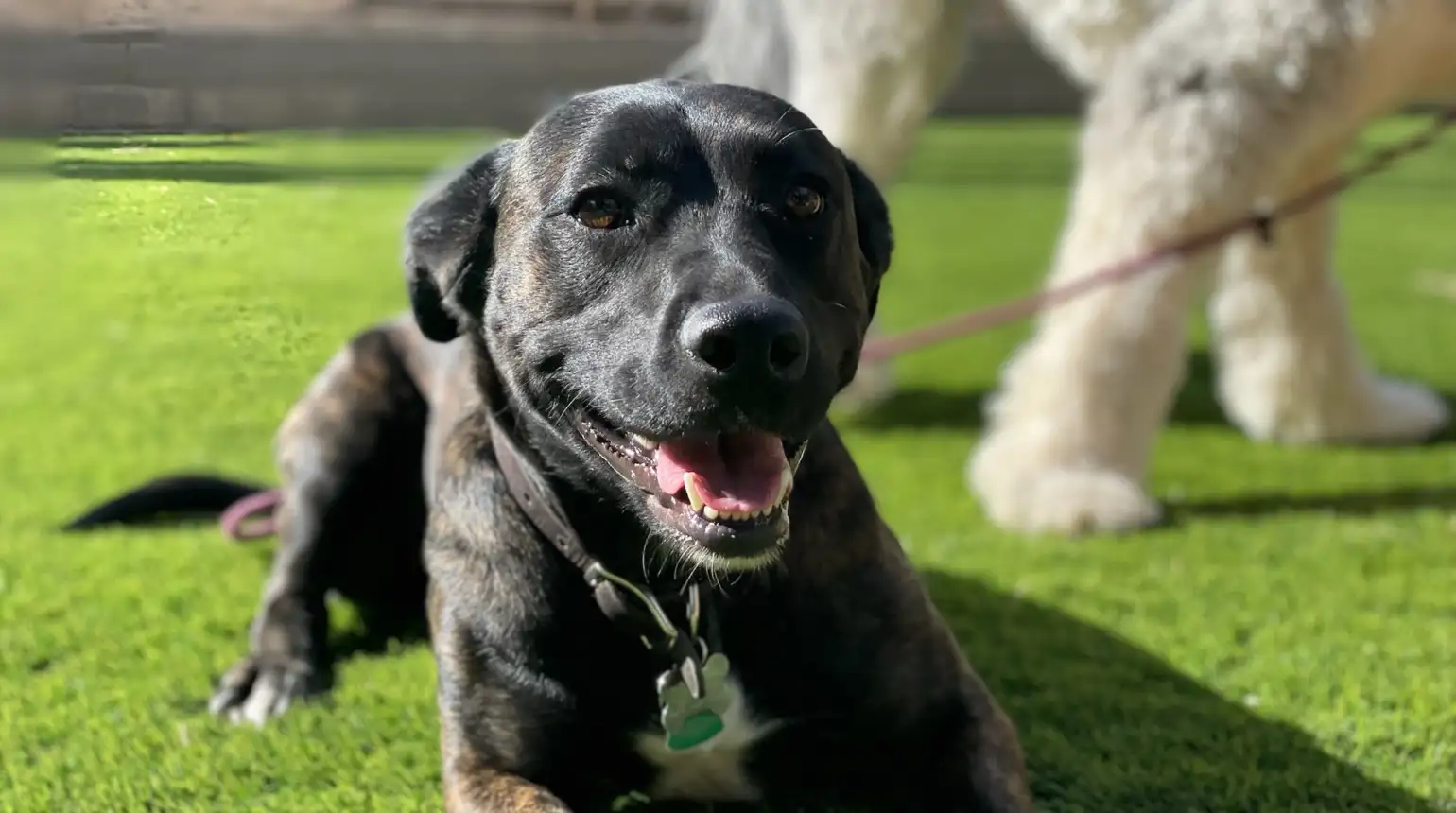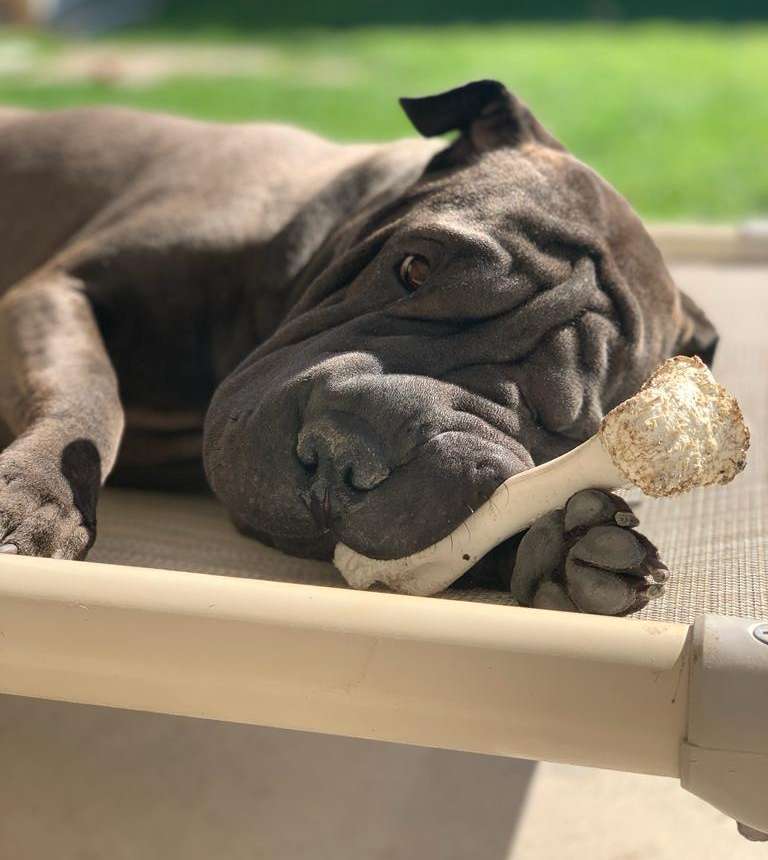
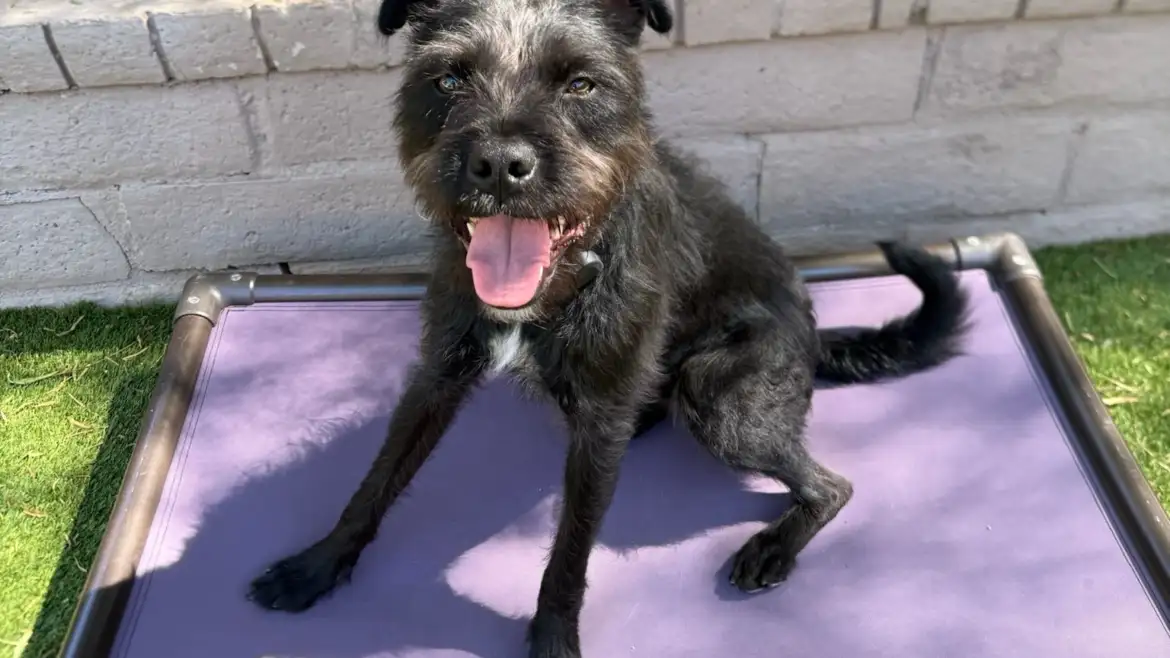
I often say to clients that they will strongly dislike their dogs twice in their lives: when they are teething and when they are becoming teenagers. One of my clients promptly answered: “very much like your kids”. Since I don’t have children of my now I will take her word for it. What I do know is that very much like humans and other social mammals, dogs go through stages of development and the teenage years are (generally) a more challenging time. To put it another way, the teenage stage is one of challenges. In a pack, this is where the individual starts figuring out their specific role. What is their part in the formation of the pack? Are they front, middle or back? Which rules and boundaries can be pushed and who is enforcing them? The question might be asked if I am speaking about humans or dogs, right? Since the parallels are remarkable. Hence, it is important to remember what stage of development one’s dog is in and adapt the teaching, coaching, and training accordingly. To rearrange our expectations of what learning is: it is not linear. And also to be patient, consistent and kind with ourselves and our pups. The teenage stage is just a phase and part of normal development.
The best gift one can give a dog is to provide clear rules and boundaries of behavior. That is how the pack raises their young. Behaviors that are not allowed get corrected and the ones that are allowed are taught by everyone around. Young puppies initially learn from their mothers and siblings and eventually from the pack. The younger a puppy is, the more lenient the pack is regarding “mistakes”. A dog starts learning by first following, then playing, and eventually exploring. That means their surroundings and behaviors. For example, a puppy will follow another pack member to water, they might not drink right away, they might paw at it, walk around it, play with it and then eventually drink. When a pack is consistent in teaching, the youngsters eventually get in formation and there is balance in the pack.
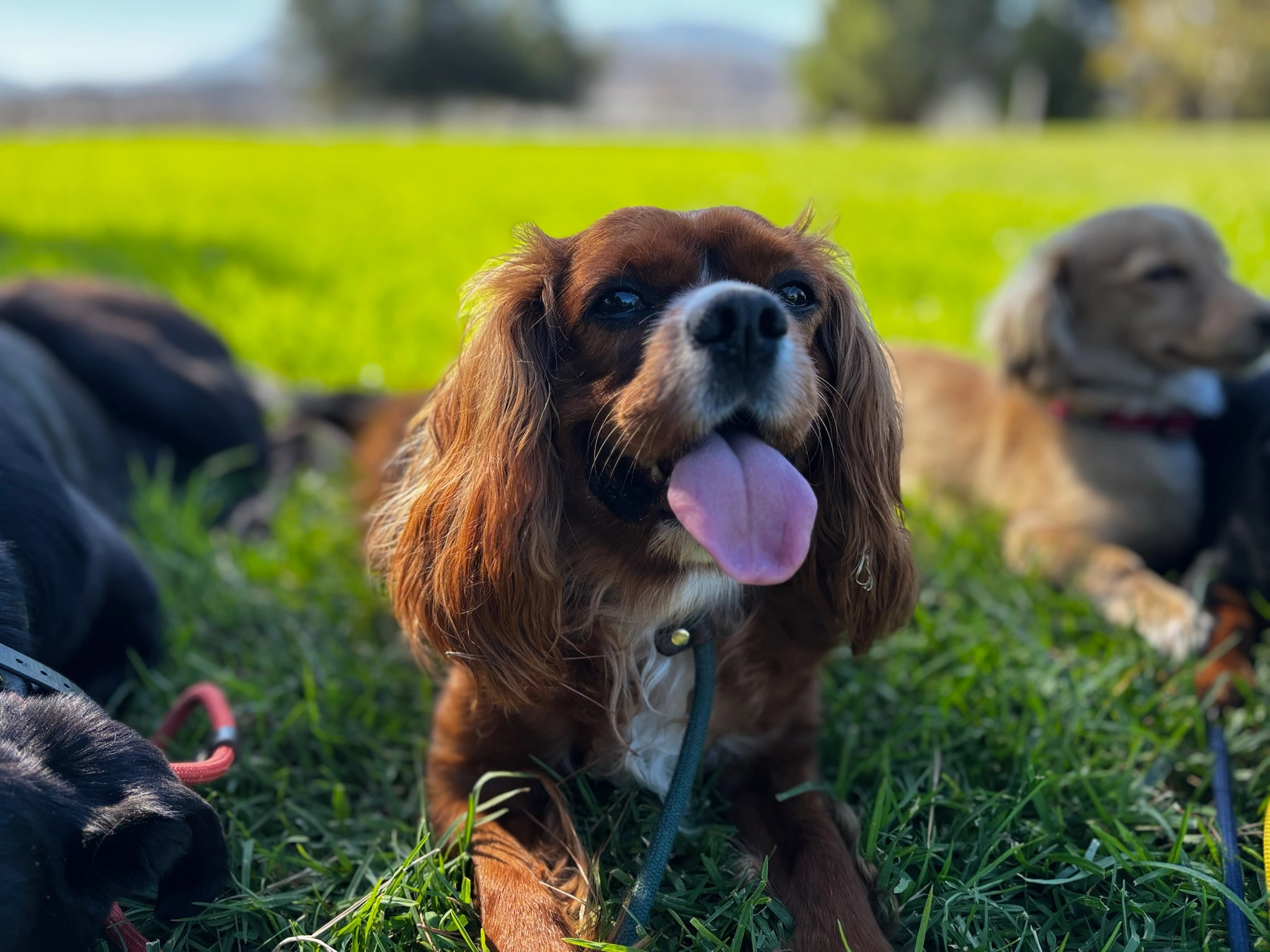
Until, that is, the threshold between childhood and adulthood. That is when the individual behaviors of the young pack members will start to change. If you have been working with your pup, teaching and training and all of a sudden they start acting out, don’t panic. The training hasn’t gone out the window. First ask yourself their current age. If it is between 1 and 2.5 years old, then your dog might just be going through puberty. Changes at this age are hormonal as well as behavioral, so it might come as no surprise that many owners see an immense change in how their dogs start behaving. This is the age where each individual starts figuring out what role and position they will play in pack. For the more adventurous puppies that means a lot more exploring and jockeying for position. One might notice a lot more fight in them. They push boundaries that were previously set. The more timid ones might suddenly start venturing out further from the pack. Some dogs can start resource guarding. Some become escape artists. Changes in behavior vary, but they all stem from this stage of development.
The best thing to do in this stage is to go back to basics. Treat your dog as if she were new to all the training you are practicing. That means working on distance – duration – distraction in their most basic stage. If your dog has practiced place, ask them to stay longer. Or ask them to be in place and put a treat in front of them, but don’t allow them to get it. Practice walking your dog on a leash around toys, food and anything that excites them. That will allow you to teach them more self control and surrendering when asked. Anything that was practiced before should be done more systematically and with the intention of reinforcing to the dog that the rules still apply to them. They might get pushy, they might fight more—that is natural. If you think about our stages of development, our teenage years are filled with pushing boundaries, experimenting and challenging the status quo. Dogs function in a very similar way. Understanding that and surrendering to it will alleviate a lot of doubts and frustrations. The new unwanted behaviors are not being done on purpose to challenge you. They are simply part of a maturing individual figuring out their role in the pack.
If one has been proactive in teaching their pup what behaviors are allowed, then this stage might simply feel like a bumpy patch. Being patient and understanding that our lives with our dogs are measured in years, not months, might make this period one of mutual growth and insight. If one has not been proactive then be prepared to either hire a professional or work very consistently and deliberately to curb eventual excesses in behavior. Do not give up on your dog. Our pack didn’t give up on us when we got tattoos, or partied until the sun came up or even got that bunch of friends that were completely unhinged. Our role as pack leaders is of protection and direction, the direction is most crucial in moments of extreme confusion (which this stage most certainly is). That is when the balance in the pack is most shaky. Be proactive, calm and assertive in teaching or reteaching your dog what is important to you. Even when putting up a little bit more of a fight, they will (eventually) listen.
Happy training!